Building long-term home equity involves more than making mortgage payments. The condition, functionality, and appeal of your property can also influence its value over time. Strategic home improvements help homeowners protect their investment, attract future buyers, and make everyday living more comfortable.
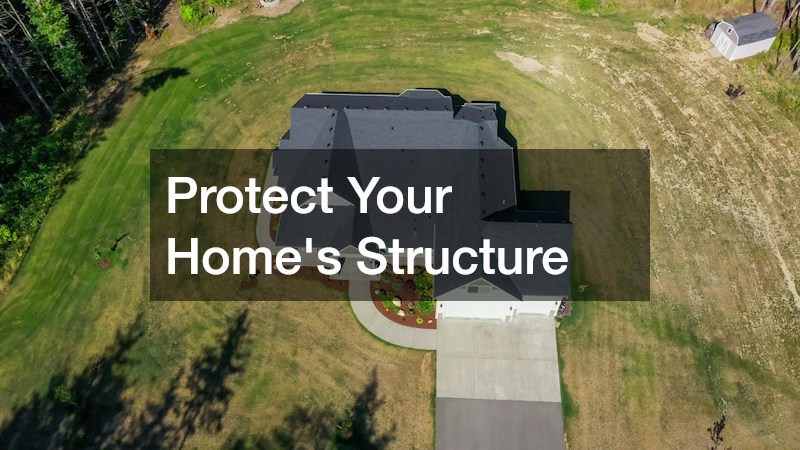
Start With Improvements That Protect Your Home’s Structure
Before investing in decorative upgrades, assess the condition of your home’s essential structural components. A property with unresolved leaks, deteriorating materials, or moisture damage may lose value if these problems continue to worsen. Addressing maintenance concerns early can prevent more expensive repairs and give future buyers greater confidence in the home’s condition. Start by examining the roof, foundation, exterior walls, windows, and other areas exposed to weather. Look for visible deterioration, water stains, damaged materials, and changes that may indicate an underlying issue.
The roof deserves particular attention because it protects the structure from rain, snow, wind, and other environmental conditions. Missing shingles, damaged flashing, and recurring leaks can allow moisture to enter the attic or interior walls. Even minor problems can become more extensive when left unaddressed, potentially affecting insulation, ceilings, and framing. Scheduling roof repair when damage appears can help preserve the roof’s performance and protect other parts of the property.
It’s also important to understand the condition and expected lifespan of your existing roofing materials. Homeowners should review inspection findings, repair history, and any manufacturer documentation before deciding whether repairs or replacement make more sense. A well-maintained roof can support buyer confidence, while visible damage may raise concerns during a home inspection. Keeping records of completed work and maintenance can demonstrate that the property has received consistent attention.
Maintain Roofing Systems to Preserve Property Value
Roofing quality affects more than the appearance of a home. It influences weather protection, energy performance, and the condition of interior spaces. Buyers may pay close attention to the roof because replacing it can be a substantial expense. A roof with documented maintenance and an appropriate remaining service life can make a property more appealing than one with visible deterioration or uncertain repair needs.
When evaluating roofing work, homeowners should consider the age of the system, the type of material, local weather conditions, and the extent of existing damage. Asphalt shingles may require attention to damaged sections or flashing, while metal roofing systems have different inspection and maintenance considerations. The right solution depends on the roof’s actual condition rather than a one-size-fits-all recommendation.
Experienced roofing contractors can assess the system, explain whether localized repairs are sufficient, and provide estimates for larger projects when necessary. Ask for a detailed scope of work that identifies the materials, labor, disposal, warranty coverage, and any additional repairs that may be required. Confirm applicable licensing and insurance requirements, and compare estimates that cover similar work instead of selecting a provider based only on the lowest price.
Prevent Water Damage With Effective Moisture Protection
Moisture intrusion can threaten a home’s condition and create costly problems behind walls, beneath floors, and around the foundation. Water may enter through basement walls, foundation cracks, poorly sealed windows, or areas where drainage directs runoff toward the building. Persistent moisture can damage building materials, contribute to mold growth, and make indoor spaces uncomfortable. Before investing in new finishes, identify the source of any water intrusion and address it appropriately.
Start by observing how water moves around the property during rainfall. Gutters and downspouts should direct runoff away from the foundation, while the surrounding ground should generally slope away from the structure where site conditions permit. Inspect basement walls and floors for recurring dampness, efflorescence, peeling finishes, or visible water entry. These signs may require further assessment to determine whether the problem involves surface drainage, foundation conditions, plumbing leaks, or another source.
Depending on the cause, waterproofing services may help protect vulnerable areas through appropriate sealing, drainage improvements, or other moisture-control measures. The right approach depends on the property’s construction, soil conditions, water entry points, and severity of the issue. A qualified provider should explain the cause of the moisture problem and recommend a solution designed to address it rather than simply covering visible damage.
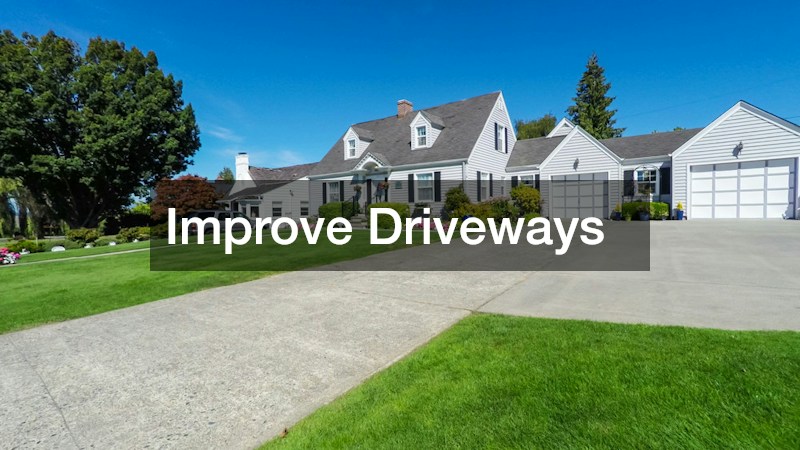
Improve Driveways and Exterior Access Areas
The driveway is often one of the first features visitors notice when approaching a home. Cracked pavement, uneven surfaces, potholes, and deteriorating edges can make a property look neglected even when the house itself is well maintained. A clean, functional driveway improves daily convenience and contributes to the overall presentation of the exterior. Depending on the property’s layout, improvements may also make parking, walking, and access to the garage easier.
Before resurfacing or replacing a driveway, evaluate its drainage, base condition, and existing damage. Small cracks may be manageable through appropriate maintenance, while extensive deterioration or recurring pooling may indicate that more substantial work is needed. Simply adding a new surface without addressing an unstable base or drainage issue can lead to premature failure and additional expenses.
For homeowners considering asphalt paving services, a qualified paving provider can assess the existing driveway and explain whether repairs, resurfacing, or replacement are appropriate. Ask how the base will be prepared, how drainage will be handled, and what maintenance the finished surface will require. The estimate should identify the project scope, materials, site preparation, and any additional costs related to removal or disposal.
Update Plumbing to Improve Reliability and Everyday Function
Reliable plumbing supports daily comfort and helps prevent water damage that could undermine a home’s value. Leaking pipes, outdated fixtures, inconsistent water pressure, and recurring drain problems can create inconvenience while increasing the risk of more extensive repairs. Addressing these concerns before they escalate can protect cabinets, flooring, walls, and other building materials. It can also make the property more attractive to buyers who want a home with dependable essential systems.
Walk through the home and check for dripping faucets, water stains beneath sinks, slow drains, and signs of corrosion around accessible pipes. Pay attention to areas near water heaters, washing machines, dishwashers, and toilets, where leaks may go unnoticed until damage becomes visible. If you notice a persistent problem, determine its source before replacing finishes or purchasing new fixtures.
A qualified plumber can evaluate the system, identify faulty components, and recommend repairs or replacements suited to the property’s needs. For larger projects, ask whether the work requires permits or inspections and confirm that the proposed materials are appropriate for the existing plumbing. When comparing estimates, consider the scope of work, warranty terms, and the provider’s qualifications as well as the price.
Invest in Landscape Design That Enhances Curb Appeal
The exterior appearance of a home shapes the first impression visitors and prospective buyers form about the property. Overgrown shrubs, patchy lawns, damaged walkways, and poorly planned planting areas can make an otherwise attractive house look neglected. Thoughtful landscaping can create a welcoming entrance, define outdoor spaces, and make the property feel more cohesive. The goal is to develop an attractive environment that complements the home without requiring excessive upkeep.
Begin by considering how the outdoor areas are used. A family may want open lawn space, shade near a patio, or a safe path from the driveway to the front door. Other homeowners may prioritize low-maintenance planting beds, privacy, or areas for outdoor dining. The design should reflect these needs while accounting for sunlight, soil conditions, drainage, and the mature size of plants.
Professional landscape design can help homeowners create a coordinated plan for planting, walkways, lighting, retaining features, and other outdoor elements. A design professional can also identify ways to improve the flow between the house and the yard while selecting plants suited to the local climate. Planning the entire space before purchasing materials can reduce waste and prevent expensive changes later.
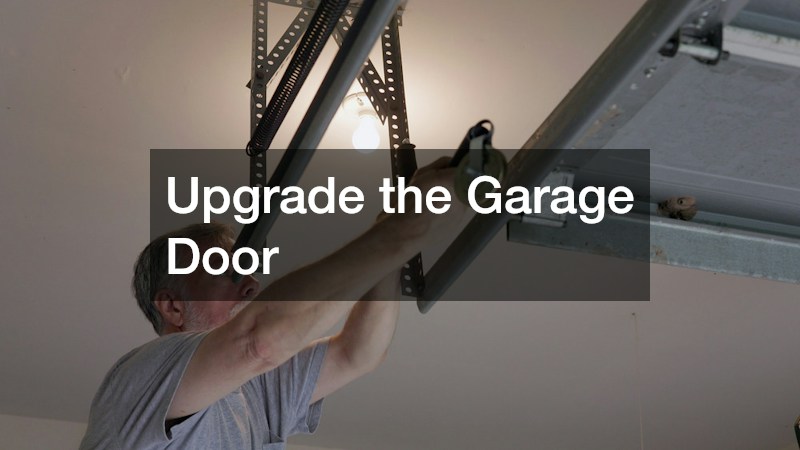
Upgrade the Garage Door for Security and Appearance
The garage door can have a substantial visual impact because it often occupies a large portion of the home’s front exterior. A dented, faded, or poorly functioning door may detract from curb appeal, while an updated design can complement the architecture and create a more cohesive appearance. The garage also plays a practical role in home security, storage, and everyday access, making its condition worth evaluating as part of a long-term improvement plan.
Consider whether the existing door operates smoothly, seals properly, and provides the level of insulation appropriate for the garage’s use. If the garage is attached to the home or contains a frequently used workspace, temperature control and air leakage may be especially relevant. Examine the door’s panels, tracks, weather seals, and hardware for visible wear, and pay attention to unusual noises or inconsistent movement.
When replacement is necessary, local garage door installation can help homeowners select a door that suits the property’s design, opening dimensions, and functional needs. Options may include different panel styles, window configurations, materials, and insulation levels. Ask for a detailed estimate covering removal of the existing door, installation, hardware, disposal, and warranty terms. Proper installation is important because garage doors are heavy mechanical systems that must operate safely.
Keep Garage Door Systems Operating Safely
A garage door’s value depends on more than its appearance. The opener, springs, tracks, sensors, and other components must work together for reliable operation. When the system struggles to open, reverses unexpectedly, or makes unusual noises, it may indicate a maintenance issue or a component that needs attention. Ignoring these warning signs can lead to inconvenience and potentially unsafe conditions.
Homeowners can perform basic visual checks without dismantling the system. Look for obvious damage to tracks, loose-looking hardware, frayed cables, or obstructions near the door’s path. Keep the area around the sensors clear and follow the manufacturer’s recommendations for routine care. Do not attempt to adjust high-tension springs or cables, as these components can cause serious injury if handled improperly.
Professional garage opener repairs may be appropriate when the motor, controls, sensors, or related components are not functioning correctly. A qualified technician can diagnose the problem and determine whether repair or replacement is the more practical choice. Ask for an explanation of the fault, the estimated cost, and whether replacement parts will be covered by a warranty.
Improve Energy Efficiency With Better Insulation
Energy efficiency is an important consideration for homeowners who want to control ongoing expenses and maintain comfortable indoor temperatures. Poor insulation and air leakage can cause heated or cooled air to escape, forcing the HVAC system to work harder. This can contribute to higher utility bills and temperature differences between rooms. Improvements that address these problems may make the home more comfortable while reducing unnecessary energy use.
Start by examining the attic, accessible crawl spaces, exterior doors, and windows for potential sources of heat loss. Drafts near window frames and doors may be addressed through appropriate sealing, while inadequate attic insulation may require a more substantial upgrade. Condensation, uneven room temperatures, or persistently cold floors can also indicate that further evaluation is worthwhile, although these symptoms may have several possible causes.
A local insulation service can assess existing insulation levels, identify gaps, and recommend improvements suited to the home’s construction and climate. Depending on the situation, the project may involve adding insulation, sealing air leaks, or improving coverage in specific areas. Proper installation matters because compressed, misplaced, or moisture-damaged insulation may not perform as intended.
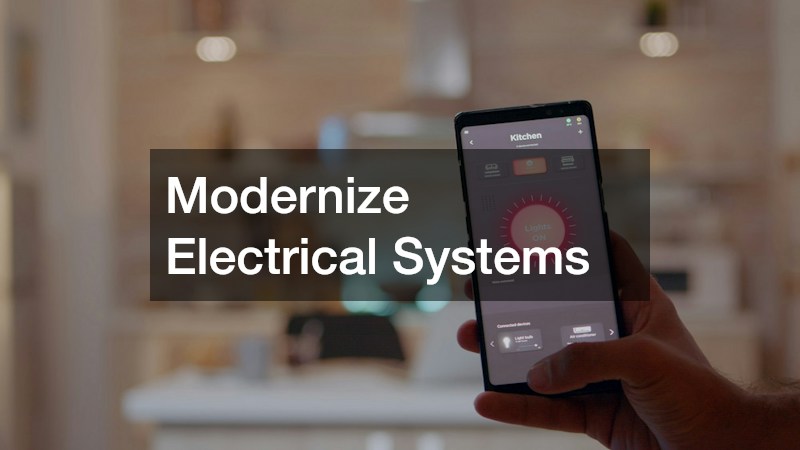
Modernize Electrical Systems and Improve Lighting
Electrical systems support nearly every aspect of modern home life, from lighting and appliances to heating controls and home office equipment. Outdated wiring, overloaded circuits, damaged outlets, and inadequate lighting can affect both convenience and safety. Before undertaking a major renovation, consider whether the existing electrical system can safely support the planned changes.
Look for warning signs such as frequently tripped breakers, flickering lights, discolored outlets, or a burning smell near electrical equipment. These symptoms should not be ignored. Avoid overloading outlets or using damaged cords, and seek qualified assistance when electrical problems arise. Homes with older systems may require an evaluation before adding high-demand appliances or expanding finished living areas.
A licensed electrician can inspect the system, identify potential hazards, and determine whether upgrades are needed to support new equipment or renovations. Electrical improvements may include adding suitable circuits, replacing damaged components, upgrading lighting, or installing controls that improve convenience. Confirm local licensing requirements and whether permits or inspections are necessary for the proposed work.
View home improvements as part of a broader plan for maintaining a valuable, comfortable property. By investing thoughtfully, working with qualified professionals, and balancing upfront expenses with long-term benefits, you can make decisions that support your household today while helping protect your home’s equity for the future.