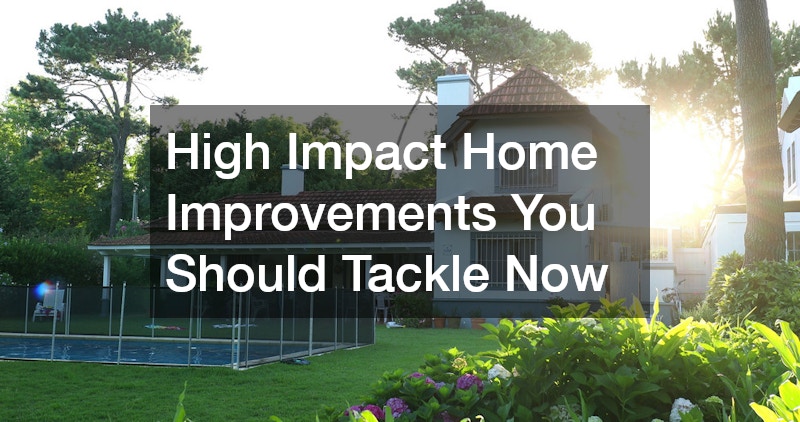
Home improvement decisions are most effective when they balance cost, timing, and long-term value. Rather than pursuing cosmetic changes at random, homeowners can generate stronger returns by focusing on upgrades that improve functionality, durability, and visual appeal at the same time. Strategic improvements not only enhance daily living but also protect the property against future maintenance issues that can become costly if ignored.
Another advantage of a thoughtful improvement plan is predictability. When projects are prioritized based on impact rather than impulse, homeowners can better manage budgets, timelines, and expectations. This approach also reduces the likelihood of rework, which often occurs when short-term fixes fail to address underlying problems.
This guide focuses on projects that deliver measurable impact in the near term. Each section breaks down where to focus, how to plan, and what details matter most, so you can move forward with confidence and avoid common missteps. Whether your goal is comfort, resale readiness, or reduced maintenance, these upgrades offer practical value.
Refresh Interior Surfaces for Immediate Impact
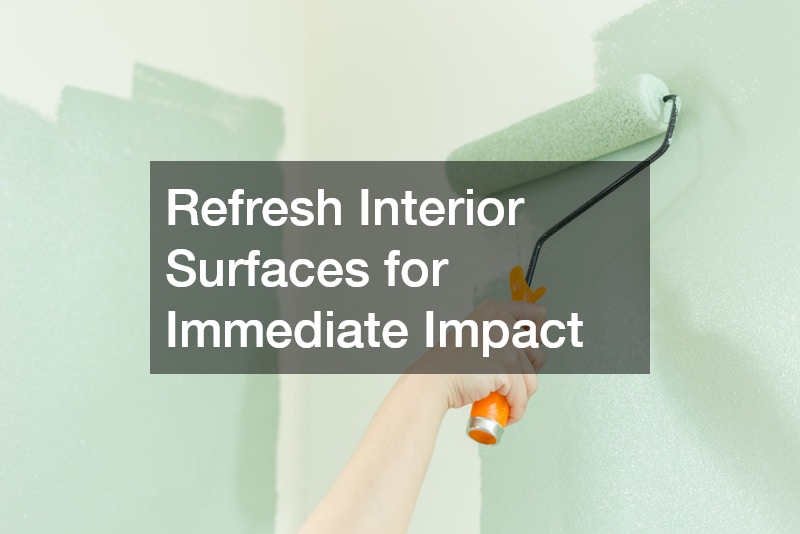
Start with areas that receive the most foot traffic or serve as focal points, such as entryways, living rooms, kitchens, and primary bedrooms. These spaces shape first impressions and influence how large, clean, and modern a home feels. Neutral palettes with warm undertones tend to appeal to the widest audience while still feeling updated. Before committing, observe how natural and artificial light interact with existing colors at different times of day, as lighting can dramatically alter how a shade appears.
Finish selection matters as much as color. High-traffic areas benefit from washable, scuff-resistant finishes that can withstand routine cleaning. For example, eggshell or satin finishes often provide the right balance between durability and subtle sheen. In rooms with limited natural light, lighter reflective finishes can help brighten the space without additional fixtures. Experts at paint stores can assist with picking colors and finishes that work best in your space, particularly when walls have imperfections or unique textures.
Scheduling affects both results and convenience. Painting during periods of moderate humidity improves curing and reduces lingering odors. Clear rooms fully before work begins to ensure clean edges and consistent coverage. If multiple rooms are involved, sequence the project to keep essential living areas functional throughout the process, especially in occupied homes.
Taken together, these decisions turn a relatively low-cost update into a high-impact improvement. When surfaces look clean, cohesive, and well-maintained, the entire home feels newer and more intentional. This makes interior updates one of the fastest ways to improve both livability and perception while setting a strong foundation for additional upgrades.
Upgrade Kitchens and Baths To Boost Perceived Value
Kitchens and bathrooms consistently rank among the most influential spaces for property value. Focus on updates that modernize without over-customizing, such as replacing dated hardware, upgrading faucets, or installing contemporary lighting. Clean lines, cohesive finishes, and understated materials tend to age better than trend-driven designs. These updates mirror the standards buyers often associate with luxury apartments and homes, which helps elevate expectations without excessive cost.
Major layout changes are not always necessary to improve usability. Replacing bulky cabinetry with streamlined storage, adding pull-out organizers, or reconfiguring appliances can significantly enhance workflow. In bathrooms, improving spacing around vanities or upgrading shower enclosures can create a more open feel without moving plumbing lines. These targeted adjustments often deliver a noticeable improvement with less disruption.
Material selection should reflect the value tier of the home. Quartz countertops, large-format tiles, and soft-close cabinetry mechanisms offer durability and a premium feel. Avoid mixing too many finishes, which can make spaces feel disjointed. Consistency across kitchens and baths reinforces a sense of intentional design and helps spaces feel professionally updated.
Small, well-executed updates in these rooms often outperform larger renovations with unclear scope. By focusing on usability, cohesion, and quality, homeowners can capture much of the appeal associated with high-end properties without overextending their budget or timeline.
Modernize Outdoor Recreation Areas for Usability
Outdoor recreation features should first meet current safety standards. Evaluate fencing, non-slip surfaces, and depth markers to reduce risk. Older systems often consume excessive energy or water, making upgrades an opportunity to improve efficiency. Verifying local code compliance early prevents costly revisions later in the project and helps avoid delays during inspections.
Many older materials require frequent repairs or cleaning. Modern finishes such as composite decking, updated liners, or resurfaced interiors reduce long-term upkeep. When selecting replacements during your pool remodel, prioritize resistance to UV exposure, chemicals, and temperature fluctuations to extend service life and minimize future maintenance.
Consider features that allow for longer use throughout the year, such as heating systems, covers, or integrated lighting. Even small enhancements, like improved seating or shade structures, can make the area more functional. Planning for flexibility increases the overall return on the investment by expanding how often the space is used.
When these areas are designed for comfort and efficiency, they become true extensions of the home. Thoughtful upgrades reduce ongoing maintenance while increasing usability, which is where real value is realized over time.
Improve Water Efficiency and Reliability Throughout the Home
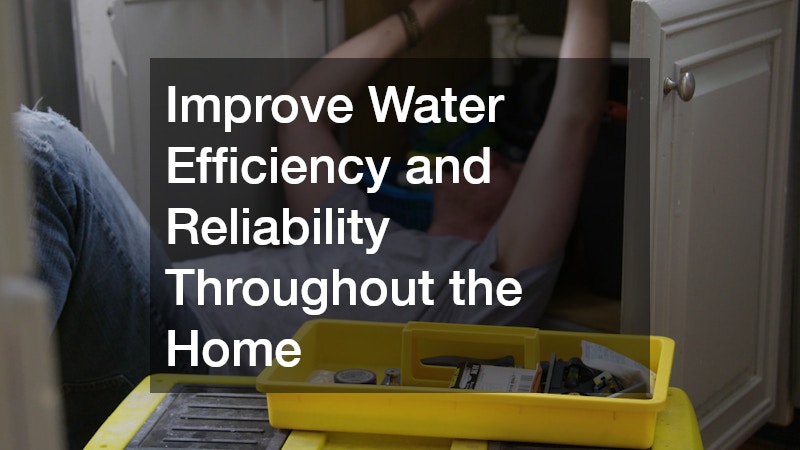
Water-related issues often develop out of sight. Older pipes may corrode, restrict flow, or leak slowly, leading to hidden damage behind walls or under floors. A proactive inspection and routine plumbing services help identify vulnerabilities before they escalate into emergencies. Addressing these issues early reduces the risk of structural repairs later and limits disruption to daily life.
Upgrading to low-flow toilets, faucets, and showerheads can significantly reduce water usage without sacrificing performance. These improvements often qualify for local incentives and result in lower utility bills. Over time, the savings can offset installation costs while contributing to sustainability goals and long-term efficiency.
Plumbing upgrades should be coordinated with wall, floor, or ceiling inspections to ensure surrounding materials remain intact. Moisture detection tools and pressure testing can reveal problems not visible during routine use. Documenting these checks provides peace of mind and supports future resale disclosures.
Reliable water systems protect both the structure and daily comfort of a home. By prioritizing efficiency and early intervention, homeowners can avoid disruptive failures and control long-term operating costs more effectively.
Prepare the Property for Structural or Drainage Upgrades
Improper grading can cause water to collect near the foundation, increasing the risk of cracks and moisture intrusion. A thorough excavating evaluation identifies areas where soil should be recontoured to direct water away from the structure. Addressing these issues improves both structural integrity and landscape health.
Timing is critical for earthmoving projects. Wet conditions can destabilize soil and complicate equipment access. Scheduling during drier periods reduces delays and ensures more precise results. Coordination with other exterior projects can also minimize repeated disruptions and reduce overall labor costs.
Before work begins, clearly mark trees, irrigation lines, and hardscape edges. Protective barriers help prevent unnecessary damage. Planning access routes for machinery reduces the risk of compaction in sensitive areas, preserving the surrounding property.
Although these projects are not always visible once complete, their impact is significant. Proper groundwork supports every improvement built on top of it, making this stage essential for long-term performance and stability.
Reinforce Driveways and Walkways for Durability
Surface damage often indicates deeper structural problems. Cracks, uneven settling, or standing water suggest issues with the underlying base. A detailed inspection from a paving company helps determine whether repairs or full replacement will provide better long-term value.
Material performance varies by environment. In colder climates, flexible materials handle freeze-thaw cycles better, while hotter regions may require surfaces resistant to heat-related expansion. Consider vehicle weight, frequency of use, and exposure to the elements when selecting materials.
Proper drainage is essential for longevity. Sloping surfaces away from structures and incorporating channels or permeable materials helps manage water flow. These measures reduce erosion and prevent premature deterioration.
Well-constructed access surfaces improve safety and aesthetics while reducing ongoing repair costs. When durability and drainage are addressed together, these upgrades deliver long-term reliability.
Strengthen the Home’s Exterior Envelope for Protection
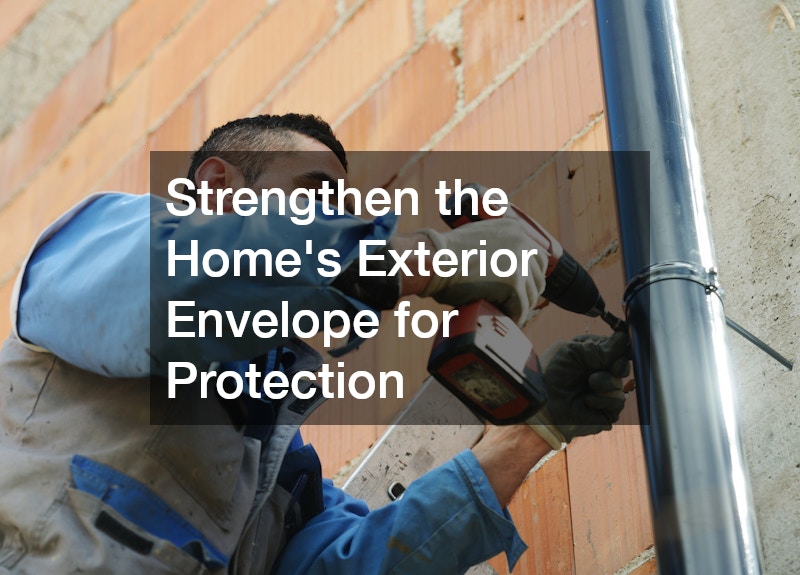
Roofing issues often start small, with missing shingles, damaged flashing, or granule loss. Regular inspections catch these signs before water intrusion occurs. Early intervention is typically less expensive than hiring roofing contractors to repair extensive damage caused by prolonged exposure.
The decision to repair or replace depends on the roof’s age, material, and extent of damage. Spot repairs may be sufficient for newer systems, while older roofs nearing the end of their lifespan often benefit more from replacement. Evaluating long-term costs helps guide this choice.
A roofing project is an ideal time to assess related components. Proper ventilation regulates temperature and moisture levels, while functional gutters manage runoff. Coordinating these upgrades ensures the entire system performs as intended.
A strong exterior envelope protects every interior improvement beneath it. Addressing roofing proactively reduces the risk of cascading damage and preserves the home’s overall condition.
Enhance Curb Appeal With Intentional Outdoor Design
Outdoor spaces should support both daily use and occasional gatherings. Working with professional landscape designers helps improve the space’s aesthetics, functionality, and overall usability with clearly defined zones for seating, dining, and circulation. Thoughtful layout also simplifies maintenance by grouping plantings with similar care needs.
Choose plants suited to the local climate and soil conditions. Native or adaptive species often require less water and maintenance while thriving year-round. Layering plants by height and texture adds visual interest without overcrowding, which keeps outdoor areas manageable.
Lighting enhances safety and highlights key features after dark. Path lights, uplighting, and accent fixtures create depth and guide movement. Hardscape elements such as retaining walls or walkways provide structure and reduce erosion.
When outdoor spaces are designed with intention, they feel cohesive rather than piecemeal. This elevates curb appeal while making exterior areas easier to maintain over time.
Maintain Mature Trees To Reduce Risk and Improve Appearance
Overgrown or weakened branches pose safety risks during storms. Removing these hazards protects roofs, siding, and nearby infrastructure. Prioritizing high-risk areas reduces the likelihood of emergency situations and costly damage. Regular inspections after severe weather can help identify new risks before they worsen. Addressing issues early also reduces strain on the tree, supporting long-term stability.
Different tree species respond best to pruning at specific times of year. Scheduling your tree trimming during appropriate seasons supports healthy growth and minimizes stress. A planned schedule prevents excessive regrowth and maintains shape. Seasonal timing also limits exposure to pests and disease that can exploit fresh cuts. This approach encourages stronger branching and more predictable growth patterns.
Selective trimming enhances air circulation and light penetration without compromising structure. Maintaining balanced canopies helps trees remain stable and visually appealing. Healthy trees contribute positively to property value and outdoor comfort. Improved airflow can also reduce moisture retention, which lowers the risk of fungal issues. Better light penetration supports surrounding plant health as well.
Proper maintenance extends the lifespan of mature trees while keeping them an asset rather than a liability. This balance is essential for both safety and aesthetics.
Restore Interior Comfort and Cleanliness Efficiently
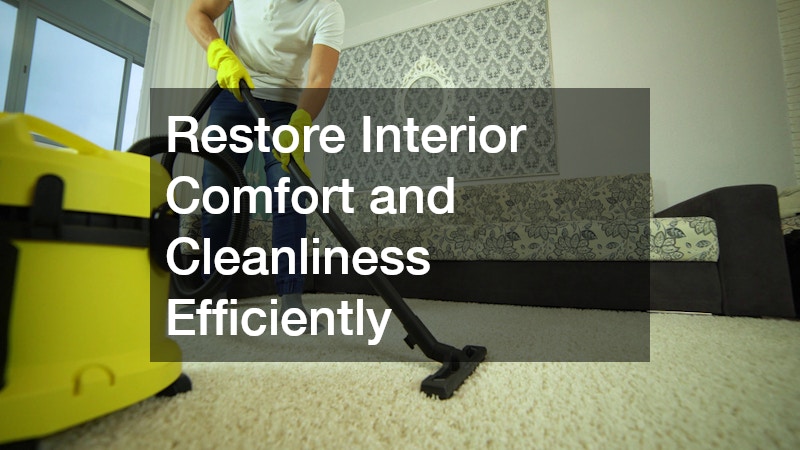
Entryways, hallways, and living spaces accumulate the most dirt and debris. Hiring a carpet cleaning service to focus on these areas first delivers noticeable improvements. Addressing stains promptly prevents permanent discoloration and fiber damage.
Routine vacuuming removes surface debris, but deep cleaning extracts embedded dirt and allergens. Periodic professional cleaning revitalizes fibers and delays the need for replacement. This approach is both cost-effective and environmentally responsible.
Scheduling interior cleaning alongside other maintenance tasks creates efficiency. For example, pairing cleaning with HVAC servicing reduces airborne dust afterward. Consistent routines help maintain a healthier indoor environment year-round.
Clean, well-maintained flooring improves both comfort and appearance. When addressed regularly, it supports indoor air quality and preserves the overall condition of interior spaces.
High-impact improvements are those that solve real problems while enhancing how a home looks and functions. By prioritizing projects that address durability, efficiency, and visual appeal together, homeowners can make smarter use of their time and budget. Thoughtful planning and timely execution turn maintenance into meaningful progress, ensuring the property remains comfortable, resilient, and valuable for years to come.
Taking a phased approach also allows homeowners to adapt as needs change, rather than committing to reactive or rushed decisions. When upgrades are guided by long-term performance and everyday usability, they create lasting benefits beyond surface-level appeal. The result is a home that not only looks better but operates more efficiently, requires fewer unexpected repairs, and supports a higher quality of living over time.